
When most folks picture wind turbines, it’s usually those giant spinning blades and their towering silhouettes against the sky. But honestly, what keeps these things running is a maze of wire and cable tucked inside and out of sight. Choosing and installing the right wire and cable is what keeps the juice and data flowing between all those parts—without it, turbines just wouldn’t work. From heavy-duty insulated cables carrying serious voltage to slender fiber optic lines zipping data around, every wire’s got its own job in the whole setup.
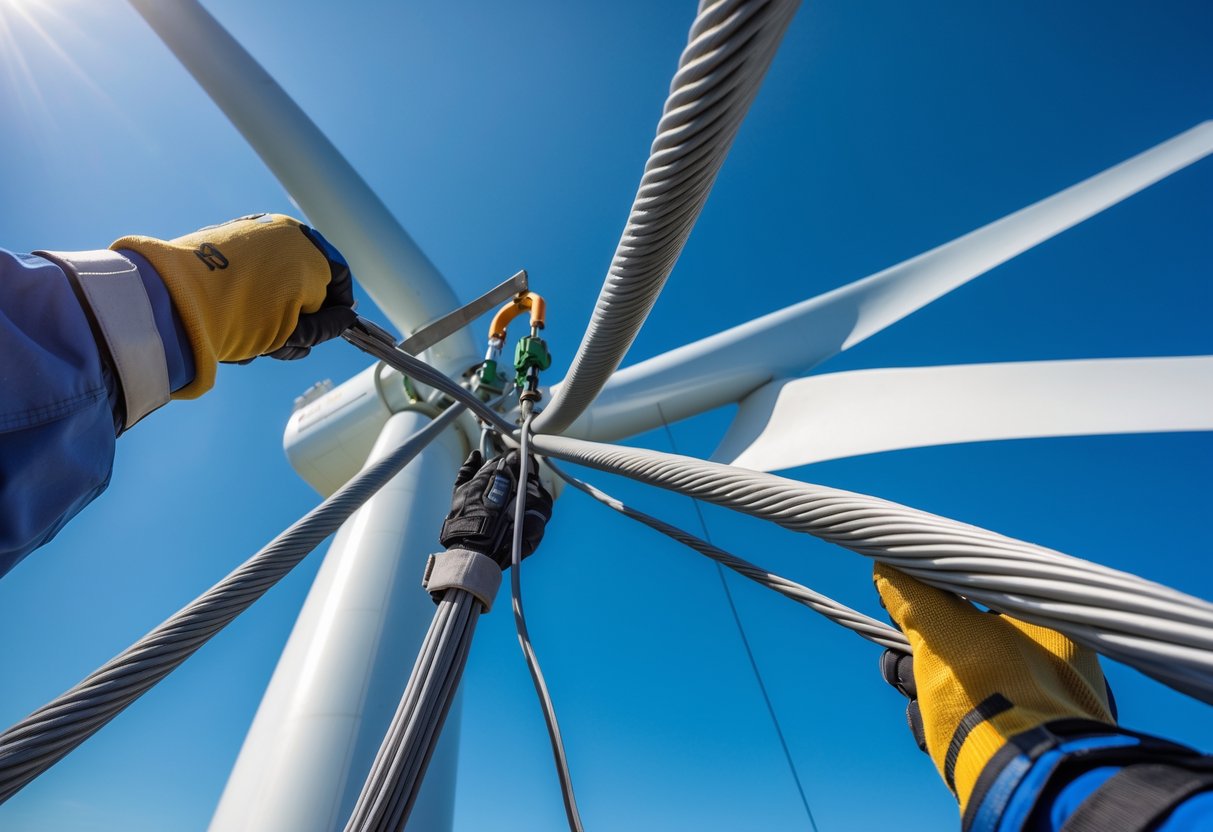
Honestly, cable management is one of those things you might not think about, but it’s a big deal for both safety and keeping these wind systems running for years. You’ll see some pretty rugged cable assemblies out there—after all, wind farms aren’t exactly known for their gentle weather. Freezing, baking, bending, and shaking: cables have to survive it all.
It’s kind of wild how much goes into just picking, installing, and looking after these cables. There’s a whole world of engineering behind what seems like a simple power line. Digging into the details really makes you realize how much hidden work goes into keeping those turbines spinning and, honestly, powering a greener future doesn’t happen by accident.
Role of Wire and Cable in Wind Turbine Installation
Wire and cable systems are the backbone of wind turbine installations, handling both the muscle (electricity) and the brains (data and control). Getting the choice and setup right? That’s what keeps wind power plants reliable, efficient, and safe.
Wind Turbine Applications
Inside a turbine, wire and cable assemblies tie together everything from the nacelle up top to the base and all the control systems in between. High-voltage cables haul electricity from the generator down to the transformer, while control cables keep sensors, controllers, and safety systems in sync.
There’s a lot going on—managing pitch and yaw, sending real-time data, running remote diagnostics. Fiber optic cables are a favorite for moving control signals and wind data over long distances. Fast and reliable, which is what you want if you need to react to shifting wind.
At the base, everything gets routed into patch panels and distribution boxes, plugging each turbine into the broader wind farm network. And don’t forget, cable routing has to handle whatever nature throws at it—UV rays, freezing cold, blazing sun, you name it. Wind farms aren’t exactly gentle environments.
Core Cable Types and Specifications
Cables on wind farms come in a few main types, each with its own job. High-voltage cables (think 600V and up) carry the main power. Low-voltage cables handle things like lighting and internal systems. Control cables connect all the sensors and monitoring gear.
A lot of setups call for low smoke zero halogen (LSZH) and UV resistant cables to cut fire risk and keep things eco-friendly. Most of these cables are built to handle temps up to 90°C, which is hotter than you might expect inside a turbine. You’ll also see specs for mechanical toughness, chemical resistance, and flexibility—because cables need to bend but not break.
| Cable Type | Typical Function | Key Features |
|---|---|---|
| Power Cable | Power transmission | 600V, LSZH, UV resistant |
| Control Cable | Signal/control transmission | Shielded, flexible |
| Fiber Optic | Data communication | High bandwidth, UV resistant |
Design and Flexibility Considerations
Designing cables for wind turbines is a balancing act. They need to be tough enough to survive, but also flexible—those towers flex and twist, and moving parts like the nacelle are in constant motion. Cables that can’t handle repeated bending just won’t last.
Flexibility depends on the conductor material, insulation, and how the cable’s built (stranded or layered). Slip rings are a lifesaver here, letting cables keep their connection while the nacelle spins, so you don’t end up with a tangled mess or broken wires.
Armor jackets and UV-resistant coatings help cables stand up to sun, scraping, and general abuse. Getting the bend radius right, and using smart installation techniques, is key when you’re routing cables through tight spaces or moving parts in the tower.
Connection Accessories and Supporting Components
Cables are only as good as their connectors and accessories. Patch panels keep things tidy and make sure power and signals get where they need to go, right at the base or hub.
Guy wires stabilize the whole tower, but you have to be careful they don’t interfere with the electrical cables. Slip rings again come into play at moving junctions, keeping the current flowing as the nacelle turns.
Then there are the little things—cable trays, clamps, and grommets—that keep wire bundles in place. Environmental seals keep moisture, dust, and temperature swings from messing with the connectors. All of this adds up to cables that last longer and keep wind farms running, even when the weather’s doing its worst.
Installation and Performance Factors
Picking and putting in the right wires and cables for wind turbines isn’t just about following a checklist. There’s a lot to weigh up: how well they’ll hold up in the wild, what maintenance will look like down the line, and—let’s be real—how much it’ll all cost.
Reliability and Efficiency in Challenging Environments
Wind turbines don’t exactly get pampered. They’re out there in the elements—humidity, wild temperature swings, relentless sun, and constant mechanical stress. That’s why cables with robust insulation and high oil resistance are a must. Good insulation means fewer faults and safer, more reliable operation, even when things get rough.
Cable routing isn’t just about neatness. It’s about making sure cables don’t wear out from vibration or movement, especially inside the nacelle and tower. Using the right cable management tools keeps everything secure and cuts down on damage. And with cables engineered for high-speed, reliable data transfer, real-time monitoring becomes possible—spotting problems early and keeping turbines spinning at their best.
Maintenance and Operating Costs
Picking the right cables at the start can make a huge difference in lifetime maintenance requirements and what you’ll end up spending on operating costs. If your cables can handle a bit of abuse and whatever the weather throws at them, they’ll usually stick around longer—and you’re less likely to get hit with those annoying, unexpected outages. It’s always a good idea to do routine inspections, just to keep an eye out for wear, sketchy insulation, or routing problems that could mess with your system’s efficiency.
Honestly, putting a little more into tough, well-shielded cables up front can spare you from frequent repairs or having to swap things out all the time. And if the cable layout actually makes sense, your maintenance crew won’t have to waste as much time (or patience) tracking things down. It’s one of those things where the small decisions early on end up saving you headaches—and money—down the road.