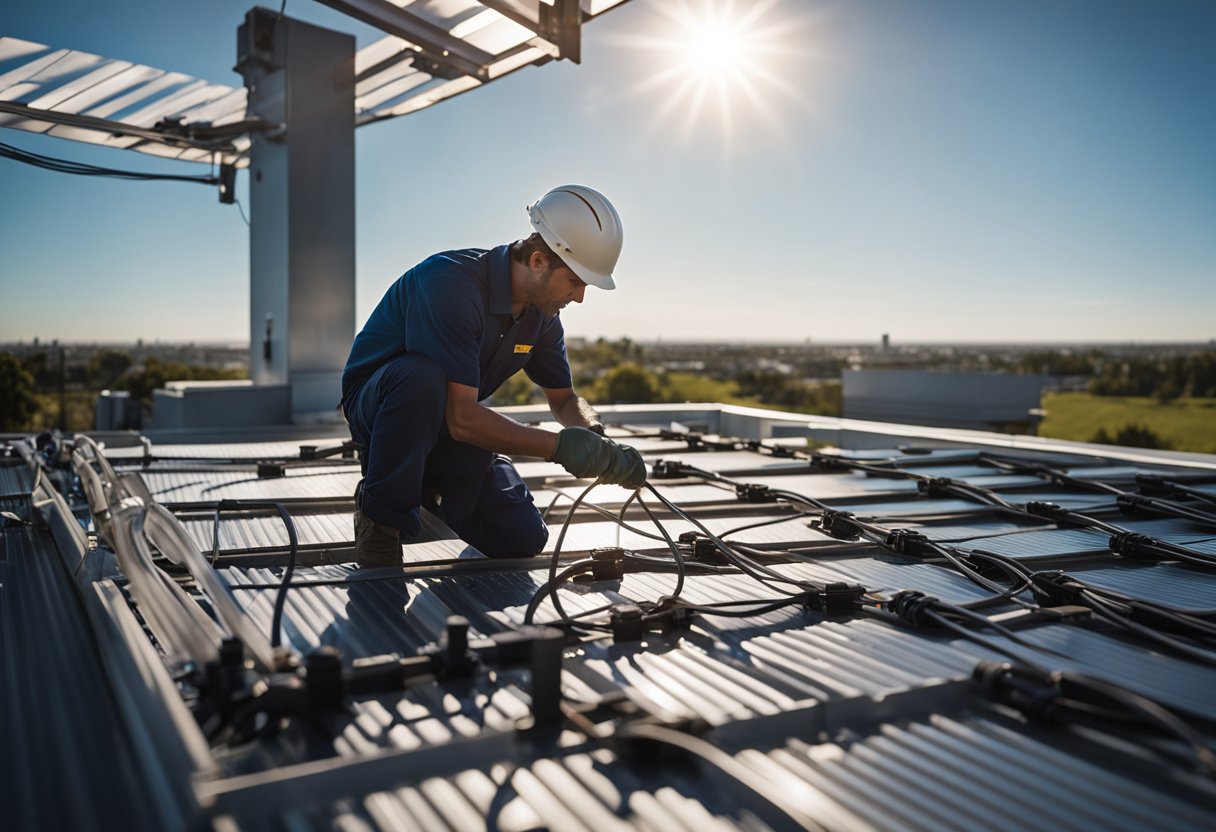
Cutting down waste in solar installations? It really starts well before those panels crank out their first kilowatt-hour. A lot of the opportunity (and, honestly, a fair bit of the headache) comes from how we handle the wiring that ties together every piece of a PV system. Adopting smarter wire management practices isn’t just about being tidy—it’s about slashing material waste, keeping O&M costs in check, and squeezing more years out of your assets without giving up performance.
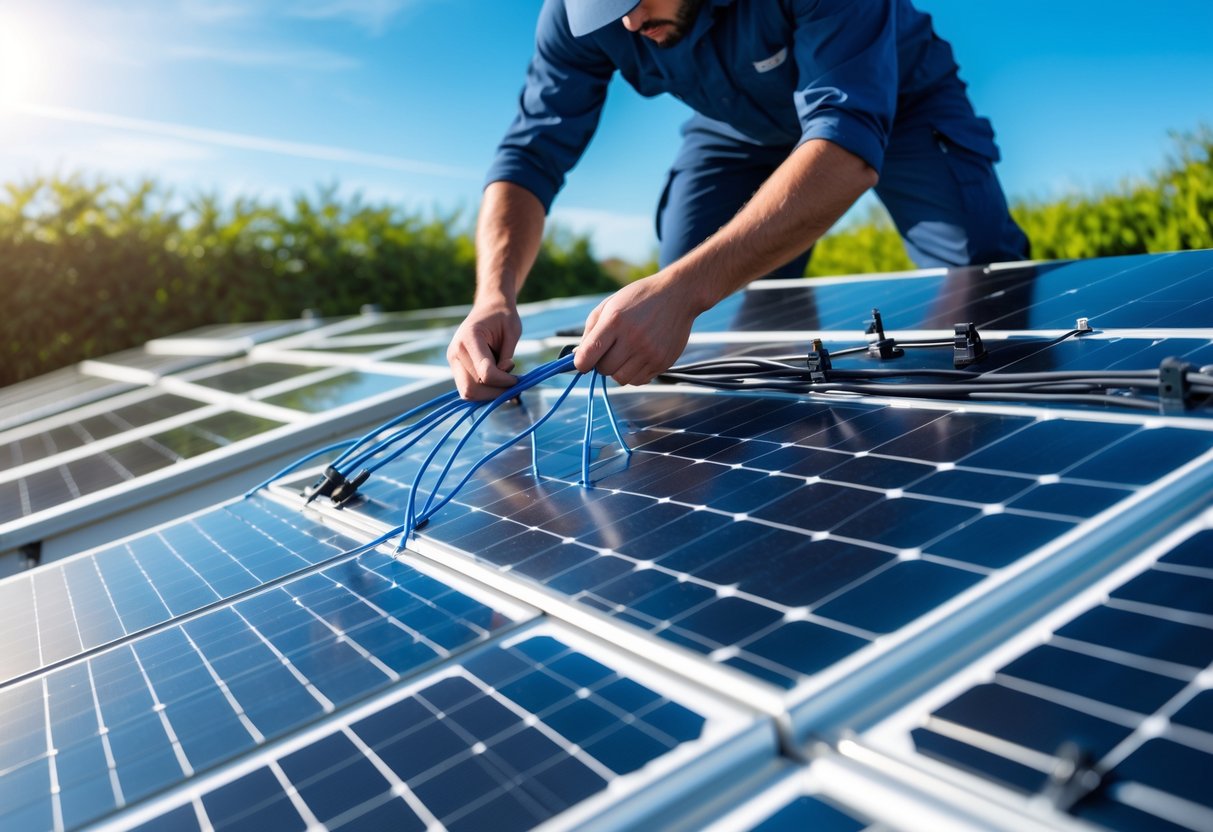
Most of us in procurement or project design get caught up in panel specs or inverter models, but honestly, wiring decisions are the silent workhorses that dictate how efficiently a system runs for decades. Bad routing, extra cable, or letting components wear out early? That all adds up to avoidable waste. With a bit of forethought, tougher materials, and a solid support system, we can dodge those issues and make the site safer and more reliable.
Let’s dig into some practical ways to streamline installation, shrink the project’s environmental footprint, and keep system performance on point over the long haul. Every time we organize and protect those cables, we’re nudging the industry closer to solar that’s actually sustainable.
Optimizing Wire Management to Minimize Waste in Solar Installations
We’re talking about more than just neatness here. When we plan out wire routing, spec durable components, and stick to code, we cut down on material waste and boost system efficiency. Using the right stuff and installing it correctly means fewer callouts and replacements—less headache for everyone.
Key Principles of Efficient Wire Management
It all starts with mapping out cable routes to keep runs short and avoid stress points. Sharp bends or running wires over rough edges? That’s just asking for insulation failures or faults down the road.
Grouping and labeling conductors is a small step that pays off big during maintenance—no one wants to waste time (or wire) hunting for the right circuit. Organized cables make troubleshooting quicker and cut out needless replacements.
Support and protection are non-negotiable. UV-resistant clips, stainless fasteners, and conduit trays keep wires from sagging and wearing out before their time. Stick to proper spacing—usually every 4–6 feet—for PV wire to meet load requirements and avoid failed inspections.
| Principle | Action | Benefit |
|---|---|---|
| Routing | Plan shortest safe path | Reduces material use |
| Organizing | Label and group circuits | Simplifies maintenance |
| Supporting | Use rated clips and trays | Extends cable life |
| Protecting | Shield from UV and heat | Prevents early degradation |
Selecting Appropriate PV Wire and MC4 Connectors
Choosing the right PV wire and MC4 connectors isn’t just a spec sheet exercise—it’s about real-world reliability and avoiding replacement waste. Look for PV wire with UV-resistant insulation, 90°C+ temp ratings, and tinned copper for corrosion resistance. Anything less, and you’re just scheduling future headaches.
Outdoor-rated MC4 connectors, matched to your system’s voltage and current, are a must. The good ones hold a tight seal through years of thermal cycling and weather. Cheap connectors? They’ll arc, heat up, and eventually fail—taking your wiring with them.
Get your crimps and torque right, and always check for UL 6703 or similar certification. Matching wire gauge to connector type keeps material use in check and ensures you’re not bottlenecking current flow anywhere in the string.
Compliance with National Electrical Code and Industry Standards
Following the National Electrical Code (NEC) isn’t just about passing inspection—it keeps your wire management both safe and sustainable. NEC Article 690 spells out how PV circuits should be routed, supported, and identified to avoid faults and overheating.
We keep DC and AC separate, ground everything by the book, and secure cables to handle whatever the weather throws at them. Sticking to code means less rework, which means less scrap and wasted labor.
Industry standards like UL 9703 and IEC 62930 are there for a reason—components tested to these specs last longer, so you’re not tossing out wire and connectors before their time.
Environmental and Operational Benefits of Smarter Wire Management
When we manage wires right, we’re not just saving money—we’re cutting waste, keeping equipment in the field longer, and getting more MWh out of every installed watt. It’s a win for the environment and for long-term O&M budgets.
Reducing Environmental Impact and Material Waste
Good wire management means using less copper and plastic, plain and simple. Recyclable cable trays, hangers, and insulation keep more material out of landfills and shrink the project’s carbon footprint.
Designing with just the right cable length (and using prefabricated assemblies where it makes sense) cuts down on both copper use and all that extra packaging. It’s not glamorous, but it does move the needle on manufacturing emissions.
| Practice | Environmental Benefit |
|---|---|
| Recyclable materials | Less landfill waste |
| Optimized cable routing | Lower material consumption |
| Free-air installation | Reduced soil disturbance and heat buildup |
On utility-scale sites, skipping trenching and buried conduit helps prevent erosion and contamination—leaving the ground (and local habitat) in better shape.
Enhancing System Efficiency and Longevity
Spacing and routing cables for proper airflow keeps them cooler, which means less electrical loss and more consistent output. Free-air installs, when possible, help maintain current capacity and lower impedance—good news for anyone tracking site yield.
Avoiding cable bundling and sticking to correct bend radii keeps mechanical stress in check, so cables last longer and don’t need swapping out as often. That’s less downtime and fewer truck rolls.
It’s also a safety thing. When cables are visible and accessible, it’s easier to spot wear or damage early—no one likes surprise outages. Well-managed wiring means your solar array can keep humming along, even when the weather’s less than ideal.
Supporting Renewable Energy Adoption
Honestly, efficient wire management is one of those underappreciated factors that can really tip the scales for solar projects. When you’re planning a site—especially if you’re dealing with rocky ground or awkward slopes—having the option to use messenger wire systems or modular trays can be a lifesaver. It speeds up installation, cuts down on labor hours, and keeps your project timeline from slipping just because the weather turns.
If you’re looking at the bottom line, these cost savings and faster build-outs are exactly what get more organizations to finally pull the trigger on solar. Less waste and easier maintenance? That’s not just good for the environment—it’s a relief for your O&M budget and it quiets a lot of investor concerns.
Smarter wire management isn’t just about neat cable runs; it’s about making solar a more reliable and scalable piece of the energy mix. If we’re serious about decarbonizing the grid, these details matter.