Solar energy systems are generally safe—assuming every component does its job. But honestly, if you’ve ever seen the aftermath of a cable meltdown, you know how easy it is to overlook wire management until it’s too late. Good wire management isn’t just about neatness; it’s the front line against overheating, electrical faults, and arc events that could spark fires in PV systems. When you take the time to secure, route, and protect cables right, you’re not just ticking boxes—you’re making the whole installation last longer and run safer.
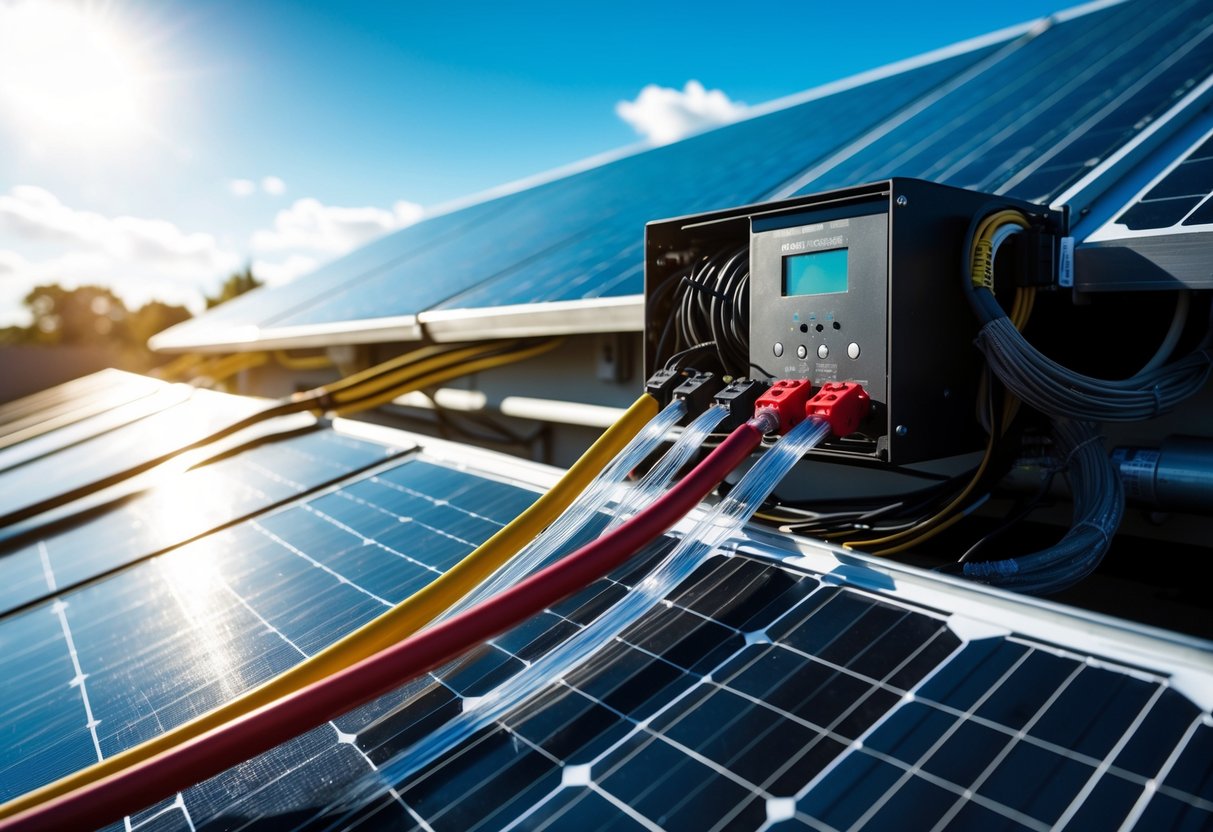
Let’s be real, most of us get caught up with the panels and inverters—the flashy stuff. But it’s the wiring that quietly hauls every amp across the site, every single day. If those conductors aren’t supported well, or if they’re just baking in the sun, flexing with temperature swings, or rubbing on mounting rails, you’re setting the stage for insulation failure. I’ve seen it happen, and it’s not pretty. Knowing how these risks creep in lets us design and build safer systems from day one.
Critical Fire Safety Risks in Solar Systems
Fire safety in solar isn’t just about meeting code; it’s about managing all the little things—electrical, mechanical, and environmental—that could light the fuse. Wiring faults, sloppy installation, and spotty maintenance are the big culprits behind overheating and arc events in PV systems.
Common Causes of Solar Fires
Most solar fires? They start with electrical malfunctions. Loose MC4s, corroded terminals, cracked insulation, or mismatched connectors—all these can create resistance points, and resistance means heat. If things get hot enough, you might ignite roof membranes or even the racking itself.
Arc faults are another headache. When a conductor breaks down and electricity jumps a gap, it creates a little plasma torch—plenty hot to start a fire. And unless you’ve got arc-fault detection in place, these can smolder unnoticed.
Then you’ve got the environment itself working against you. Dust, shading, poor airflow—these can all send module temps soaring, which isn’t just bad for output but raises the odds of overheating. Staying on top of cleaning and thermal imaging is, in my view, non-negotiable for anyone managing a fleet.
Impact of Faulty Wiring and Poor Installation
Bad wiring jobs are a fire waiting to happen, no sugarcoating it. Undersized conductors, sketchy connectors, or just lazy cable runs—these set up unstable loads, which can lead to shorts or hot spots. Over time, that’s going to fry insulation and maybe more.
I’ve seen DC strings run right over wood, or exposed to UV for years without conduit. Eventually, the insulation crumbles, and suddenly you’ve got energized copper just waiting to arc. That’s why we stick to NEC and NFPA regs—not because it’s fun, but because it works.
Labeling, cable separation, and proper strain relief might sound like details, but they’re the backbone of a safe, reliable renewable install. Skip them, and you’re gambling with both uptime and safety.
Consequences of Solar Fires
A fire in a solar array isn’t just a bad day at the office. You could lose inverters, panels, even the roof structure, and repairs aren’t cheap. For commercial buyers, a fire can mean missed PPA targets, lost revenue, and a lot of explaining to do.
There’s also the first responder angle. PV arrays keep generating even when the building’s burning, which makes firefighting a risky proposition. If your labeling and shutdown plans aren’t clear, you’re putting firefighters at risk for shock or even reignition after the flames are out.
And let’s be honest: one high-profile fire can set back public trust in solar for years. We can’t afford that. The industry’s reputation depends on us getting this right.
Best Practices for Wire Management and Fire Prevention
If you want fewer faults, better reliability, and less fire risk, wire management is where you start. Using smart routing, keeping to a solid inspection schedule, and leveraging monitoring tech all go a long way. It’s not just about hardware—it’s about protecting people too, from your O&M crew to the local fire department.
Proper Wire Routing and Securing Techniques
Good cable runs aren’t just tidy—they’re safer. I always try to keep cables in organized paths—nothing dangling, nothing rubbing, and definitely nothing baking in direct sun if I can help it. UV-rated clips, stainless fasteners, and conduit trays are the go-tos for keeping insulation intact for the long haul.
Supporting cables every few feet (4–6 feet is the norm) keeps them from sagging or getting chewed up by vibration. Pay attention to bend radius—about eight times the cable diameter—so you’re not stressing the copper inside.
On rooftops or ground mounts, keep wires off hot surfaces and away from sharp edges. Label your DC and AC runs, especially near combiners and inverters, so anyone on site can figure out what’s what in a pinch.
Importance of Regular Inspection and Maintenance
Inspections aren’t glamorous, but they catch problems before they escalate. Annual walkthroughs should be standard—look for UV-damaged jackets, loose glands, or any sign of corrosion. After a big storm, always check for cables that got yanked loose or scuffed up by debris.
Keep a maintenance log—it’s a lifesaver for tracking what’s been checked, tightened, or swapped out. I’m a fan of thermal imaging too; it’s the best way to spot hot spots you can’t see with the naked eye.
Consistent labeling and documentation help first responders shut things down safely if there’s ever an emergency. And don’t forget: clearing leaves, nests, or just plain dust from around wiring and inverters makes a real difference in reducing ignition risks.
Advanced Monitoring and Energy Management Systems
Bringing in advanced monitoring and energy management tech is honestly a must if you want to catch faults before they turn into a real headache—or worse, a fire hazard. These days, inverters and smart wire management tools don’t just sit there; they’re actively tracking current flow, temperature spikes, and any weird voltage swings, all in real time.
If something looks off, the system throws up an alert and our O&M crew can jump in, isolating trouble spots before things get too hot—literally. Plus, these setups are built to handle rapid shutdown requirements, which is a relief for first responders.
Pulling together data from our energy management platforms and inspection logs gives us a leg up on predictive maintenance. It’s a smarter, more proactive way to keep conductors running within spec, squeeze more life out of our gear, and keep the whole solar site humming along safely.