When we talk solar efficiency, the conversation usually circles around panel quality and inverter specs. But honestly, wire management is one of those underappreciated details that can quietly make or break a system. How you route, secure, and protect your cables isn’t just about neatness—it’s about squeezing every bit of output from your array, dodging unnecessary losses, and keeping headaches (and O&M costs) down for years. Ignore it, and you’re just asking for power loss, safety issues, and a maintenance budget that keeps growing.
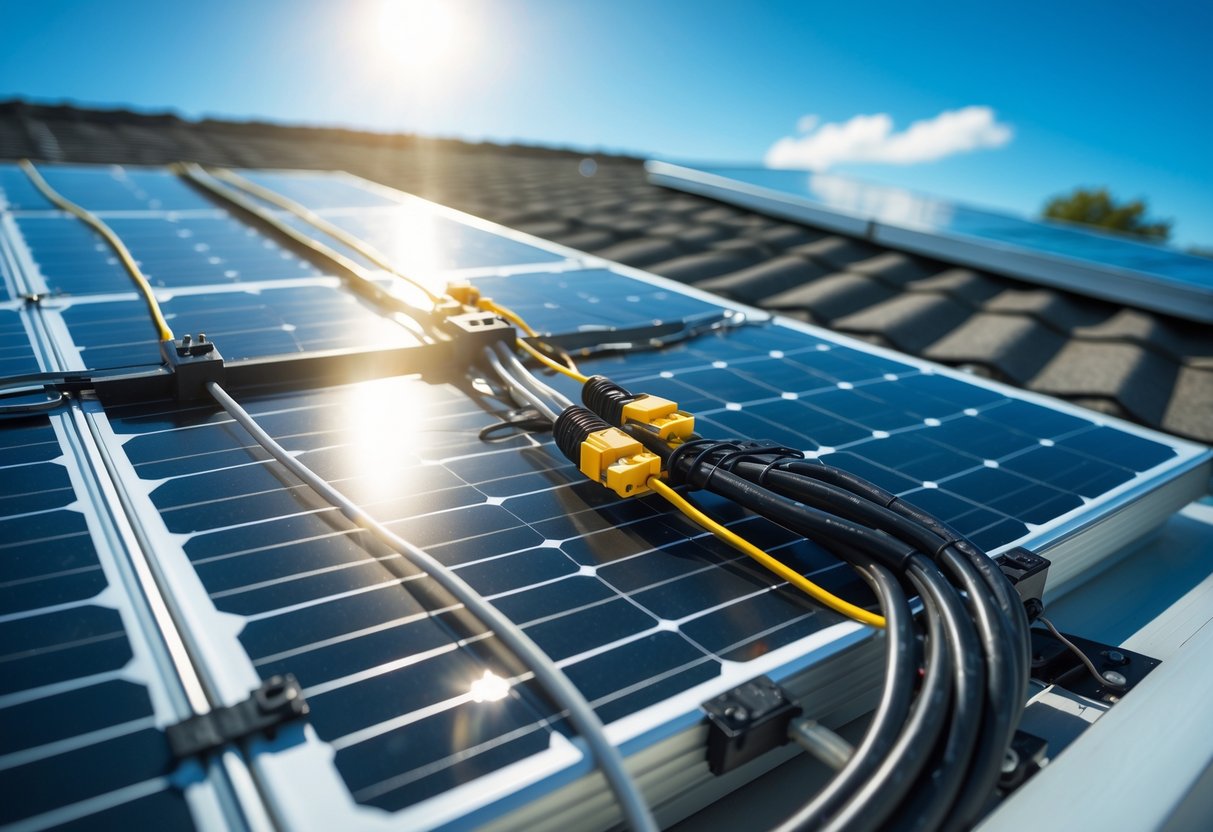
We’ve all seen jobs where tidy, strategic wiring means fewer surprises, while messy cable handling leads to downtime you could’ve avoided. Wire management isn’t flashy, but it’s absolutely critical for keeping the juice flowing efficiently from the modules to the grid.
How Wire Management Affects Solar System Efficiency
If you’re in procurement or design, you know proper wire management is about protecting electrical integrity, minimizing faults, and making O&M less of a hassle. When we install PV wire with some forethought, we’re not just checking a box—we’re actively cutting resistive losses, preventing ground faults, and giving our components a fighting chance against the elements.
Preventing Power Loss and Ground Faults
Let’s be real: Sloppy wiring means more resistance, more heat, and less output. When connections get loose or corroded, voltage drops sneak in, and suddenly your array isn’t pulling its weight.
Ground faults? They’re usually traced back to nicked insulation or unsupported cable runs. That’s when breakers trip and production halts. The fix is pretty straightforward: secure and shield your wiring against abrasion, UV, and sharp hardware.
Regular checks on ties, clips, and junctions catch issues early. We’re big fans of UV-stabilized materials and sticking to proper bend radii—keeps stress off the conductors. If you want fewer callbacks and less downtime, you’ve got to keep those connections tight and that insulation intact.
Optimizing PV Wire Routing and Organization
Short runs, minimal crossovers, and no spaghetti wiring—that’s the goal. Every extra foot of cable is just more resistance and more money out the door.
A clean layout isn’t just for looks. Labeling and color coding make it so much easier for techs to trace circuits, spot imbalances, or figure out what’s going on during a service call.
We lean on cable clips, trays, and conduit to keep everything locked down and accessible. Spacing matters too—no one wants cables bunched up and overheating. Plus, a tidy install keeps inspectors happy and makes code compliance a lot less stressful.
Reducing Maintenance and Downtime
If you skimp on wire management, you’re signing up for more maintenance and higher costs. Supported, protected cables just last longer—simple as that.
We schedule regular walkdowns to check for UV wear, loose hardware, or moisture sneaking in. If the wiring’s labeled and organized, troubleshooting is way less painful and downtime drops.
Tool-free fasteners and modular clips are a lifesaver—they let us swap components without wrestling with the whole harness. Keeping cables off rough surfaces and out of puddles extends service intervals and keeps the kWhs flowing.
Enhancing System Longevity and Safety
Good wire management is the backbone of a reliable, safe solar site. Secure routing keeps cables from sagging or getting chewed up, and it helps avoid arcing.
We spec stainless steel or UV-rated plastics so the wire management lasts as long as the modules (because who wants to redo this in 10 years?). These materials shrug off corrosion, wild temps, and relentless sun.
Solid grounding and bonding are non-negotiable—NEC Article 690 is pretty clear on that, and so are most AHJs.
Fire risk drops when connections are tight and insulation is healthy.
Keep everything supported and isolated where it needs to be, and you’re setting the site up for decades of safe, steady performance.
Essential Components and Best Practices for Effective Wire Management
The best wire management setups start with durable components, smart cable routing, and protection from mechanical and environmental abuse. We’re always hunting for materials and hardware that can take a beating and still meet code, year after year.
Cable Clips and Cable Ties for Secure Installation
Clips and ties are the unsung heroes. We go with stainless steel for longevity, especially where salt or chemicals are in play, and UV-stabilized plastics when we need flexibility and cost savings.
Cable ties come in a few flavors:
| Type | Typical Use | Durability |
|---|---|---|
| UV-resistant nylon | Rooftop and standard PV arrays | 20–25 years |
| Stainless steel | Harsh or coastal environments | 25+ years |
| Reusable Velcro-style | Maintenance access areas | Moderate |
We try to secure cables every 4–6 feet on horizontal runs and watch the tension—over-tightening just invites insulation cracks. Bend radius? Eight times the cable diameter is the rule of thumb. Labeling saves time and headaches for the O&M crew.
Cable Trays, Conduit Trays, and Snake Tray Systems
For bigger jobs, trays keep everything organized and protected. We pick aluminum for light weight and corrosion resistance, steel when we need strength, and polymer-coated trays in tough chemical spots.
Snake Tray systems are a personal favorite for fast installs—they bend by hand and keep airflow up, which helps with code and heat management.
Mounting trays at a consistent height and using smooth transitions just makes life easier. Expansion joints and service loops? They’re a must for thermal movement. And always, always keep DC and AC runs separate—cuts down on interference and keeps maintenance less of a headache.
Junction Boxes and Wire Protection Solutions
Junction boxes are basically the backbone of safe PV interconnections—think of them as the meeting point for your strings, inverters, and monitoring gear. Around here, we stick with NEMA-rated enclosures; honestly, anything less just doesn’t cut it for dust, water, or relentless UV.
We’re pretty particular about box sizing—overcrowding is a headache nobody needs. Strain reliefs at every entry keep cable jackets from getting chewed up. Conductors run through conduits or sleeves, which is just common sense if you want to avoid abrasion or moisture headaches down the line.
If you’re dealing with exposed runs, you’ve got to go with UV-resistant conduit and proper seals, or you’ll be chasing insulation failures before you know it. Every junction box gets a clear circuit label, and yeah, we double-check those terminations—because nobody wants to troubleshoot a loose connection in the field.