Wire management doesn’t always get the attention it deserves in solar installs, but honestly, it’s one of those things that’ll come back to bite you if you ignore it. Loose, tangled, or exposed cables? That’s just asking for performance headaches, safety issues, and extra truck rolls for repairs down the line. Dialing in wire management from the jump means fewer failures, longer system life, and steady energy output.
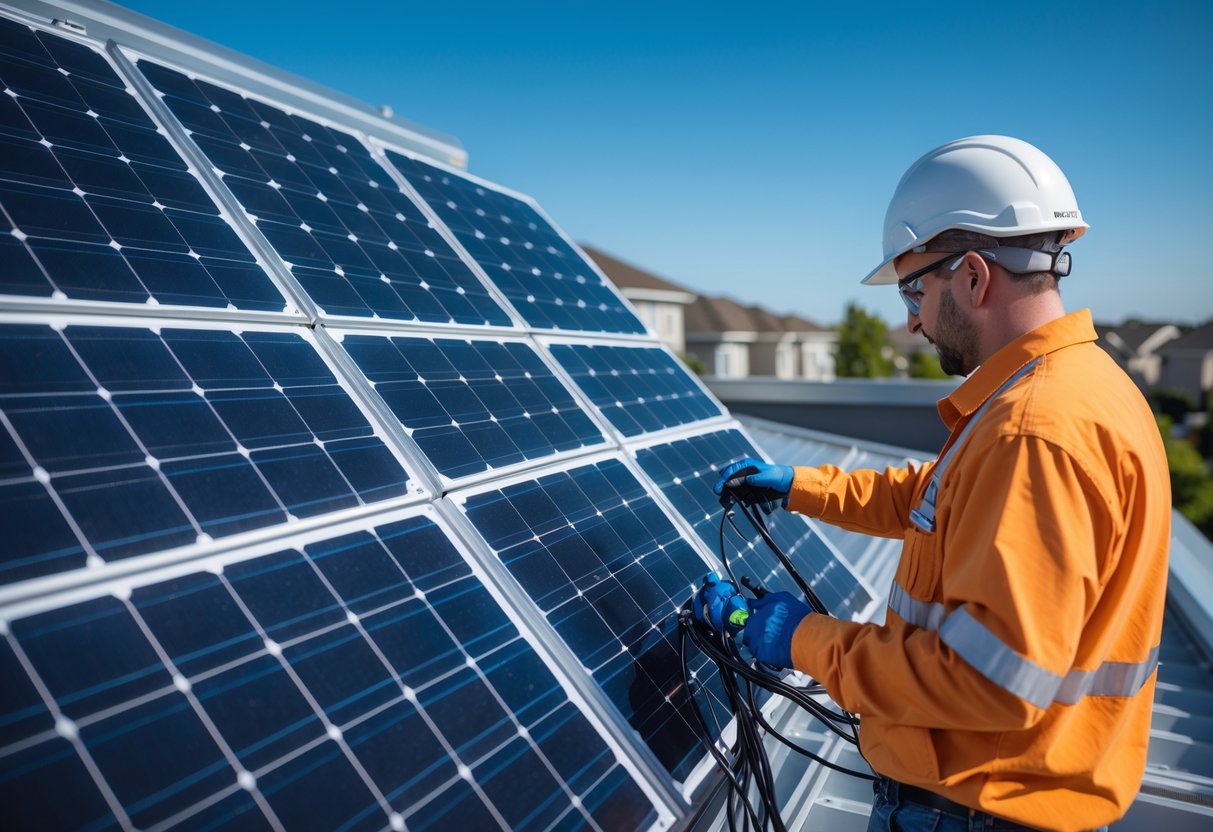
We’re not just talking about tidy cable runs for the sake of appearances. Smart management shields conductors from heat, UV, and mechanical wear—plus, it keeps us on the right side of code and spec sheets. Even small decisions, like picking robust fasteners or mapping out cable paths, can make a real difference in reliability (and in your O&M budget).
Let’s break down the wire management missteps that trip up so many solar arrays, and get into the practical moves that keep projects safe, clean, and running for the long haul.
Critical Wire Management Mistakes to Avoid
If you’ve been in solar for a while, you’ve probably seen what happens when wire management gets sloppy: ground faults, dips in output, and more site visits than anyone wants. Most of this is avoidable just by picking the right materials, planning routes, and making sure every connection is built to handle the elements and the job.
Using Incorrect Cable Types
Using the wrong cable is just asking for trouble. PV systems need cables rated for direct sun, wild temperature swings, and DC voltages. Standard building wire? It’s usually not up for the UV beating or insulation demands of a rooftop or ground-mount solar setup.
Stick with PV wire or USE-2—those are purpose-built for solar, with insulation that shrugs off heat, water, and UV. Anything less, and you’re risking insulation breakdown and current leakage.
And don’t forget about voltage drop and power loss on long runs. Sizing conductors right, and following NEC guidance, keeps your system efficient and in compliance.
| Cable Type | Suitable Use | UV Resistance | Typical Voltage Rating |
|---|---|---|---|
| PV Wire | Outdoor solar arrays | Yes | 600–2000 V DC |
| USE-2 | Ground-mounted systems | Yes | 600 V DC |
| THHN | Indoor conduit only | No | 600 V AC |
Improper Cable Routing and Bending
Routing and bending might seem boring, but get them wrong and you’ll pay for it later. Sharp corners, tight zip ties, or unsupported cable runs can chew up insulation and stress the copper inside.
Always respect the minimum bend radius—that’s not just a suggestion from the cable manufacturer, it’s a way to avoid early failures.
Keep cables away from sharp metal, moving parts, or hot spots like inverters and combiner boxes. Use clips, trays, or conduit to support the wiring and keep things separated for airflow.
Plan your routes so maintenance isn’t a nightmare later. Over-bundling traps heat and makes tracing circuits a pain. Organized routing is a win for both safety and future serviceability.
Inadequate UV and Weather Protection
Solar arrays live outside, so you can’t cheap out on UV and weather protection. Insulation that isn’t up to the task will crack, get brittle, or let water sneak in.
Go for UV-rated cable ties, clips, and conduit—the kind that’s actually meant for outdoor use. Metal? Make sure it’s corrosion-resistant (stainless or anodized aluminum). Plastic bits need a UL 62275 outdoor rating or something similar.
Run conduit or raceway in the most exposed spots to shield from direct sun and wear. And yeah, check back periodically—if you see discoloration or cracking, swap it out before it causes bigger problems.
Loose or Mismatched Connections
Loose or mismatched connections are a recipe for arcing, heat, and lost production. Every connector should fit the cable type and gauge, or you’re just inviting resistance and maybe even a fire.
Only use manufacturer-approved connectors rated for DC. Follow torque specs—don’t just guess, use a calibrated tool.
Check terminations and junction boxes regularly, especially in spots that see vibration or big temperature swings. On bigger jobs, document your connection types and torque values so the whole crew stays consistent.
Best Practices for Reliable Solar Wire Management
If you want a solar project to last, start with smart planning, use rugged fasteners, and keep up with inspections. It’s not rocket science, but it does cut down electrical risk and helps your system handle whatever the weather throws at it.
Strategic Wire Planning and Labeling
Start with a layout that actually makes sense—define your wire routes, separation, and mounting points before you start pulling cable. That way you dodge shading, abrasion, and cable stress from movement or temperature swings.
Label every circuit with weatherproof tags so you’re not hunting for the right string during troubleshooting. Saves time, saves headaches.
Stick to minimum bend radii and skip tight loops—they’ll just wear out the insulation faster. Route DC string cables off hot spots and away from sharp edges. Here’s a quick cheat sheet for spacing:
| Cable Type | Typical Clearance | Recommended Support Interval |
|---|---|---|
| DC String | ≥ 25 mm from module backsheet | Every 0.6–0.9 m |
| AC Cable | ≥ 50 mm from metal surfaces | Every 1.0–1.2 m |
Selecting Durable Fasteners and Components
Don’t skimp on hardware. UV-rated cable ties, stainless clips, and polymer-coated clamps outlast cheap plastic every time.
On hot rooftops or near the coast, corrosion-resistant gear is a must. Double-check that your fasteners play nice with module frames—galvanic corrosion is real, and it’s a pain.
Purpose-built clips keep tension steady and cables from sagging. Don’t crank down too hard, though—over-tightening wrecks insulation. Keep a log of your hardware choices so any replacements match the original spec. That’s just good project hygiene.
Regular Inspection and Maintenance
We try to get boots on the ground for visual inspections at least once a year—sometimes more if the site’s in a dusty basin or battered by wind. When we’re out there, we’re really zeroing in on loose ties, cracked insulation, and any wires rubbing against sharp racking edges.
Thermal imaging? It’s a game changer for spotting hotspots from dodgy connections. If we see something off, we jump on it before it snowballs into energy loss or, worst-case, a fire hazard.
Maintenance isn’t just a checklist—sometimes it’s getting your hands dirty clearing debris from wire trays, or swapping out clips that have seen better days. We log every inspection, mostly to catch patterns and head off chronic issues before they get expensive.