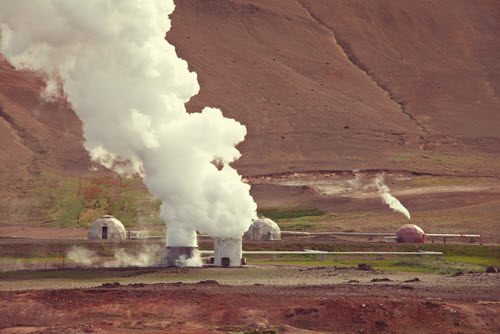
Geothermal systems are kind of a hidden gem when it comes to heating and cooling buildings. They tap into the steady temps underground—nothing flashy, just good, reliable science. Still, if you want to really get your money’s worth from one of these setups, it pays to keep things as simple and manageable as possible. Streamlining your geothermal system and sticking to easy, regular maintenance can mean better efficiency, lower costs, and a longer life for your equipment.
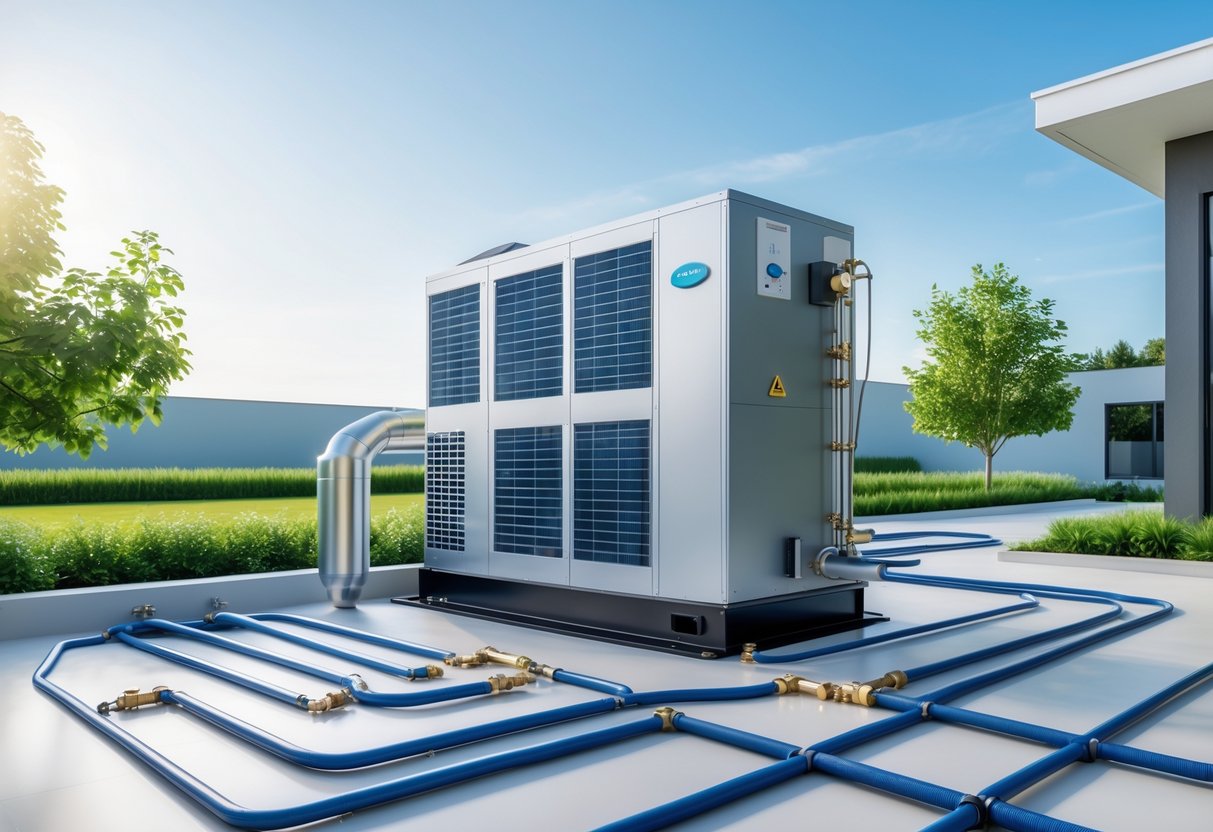
When you start looking at ways to simplify geothermal systems, you’ll find some practical steps that make everything—from daily operation to long-term upkeep—a lot less of a headache. Cutting out unnecessary complexity helps you sidestep a bunch of common problems and those surprise expenses no one wants.
Understanding Geothermal Systems
Geothermal systems work by pulling heat from the earth’s stable underground temperatures to keep buildings comfortable. Instead of generating heat out of thin air, they just move it around, using a handful of key components.
How Geothermal Systems Work
With a geothermal system, the magic is in moving heat, not creating it. A geothermal heat pump circulates a fluid through a ground loop system—that’s where the heat exchange happens. In winter, it draws warmth from the earth; in summer, it dumps excess heat back underground.
A few feet below the surface, the earth’s temperature barely budges—usually somewhere between 45°F and 75°F, depending on where you live. The system’s heat exchanger takes full advantage of that.
Inside, the heat pump uses a heat exchanger to send that comfort into your building. Whether you’ve got forced air ducts or radiant floors, the distribution system pushes that heating or cooling where you want it. Since it’s working with those steady underground temps, geothermal heat pumps generally outshine traditional HVAC setups for efficiency.
Types of Geothermal Systems
There are basically two main flavors: closed-loop systems and open loop systems.
Closed-loop geothermal systems use pipes buried in the ground, filled with water or antifreeze. You can lay them out horizontally, drill them in vertically, or even run them through a pond or lake if you’ve got one handy—depends on your property and what kind of soil you’re working with.
Open loop systems are a bit different. They pull groundwater from a well or another source, run it through a heat exchanger, and then send it back into the ground or somewhere else. These can be more efficient in certain areas, but you do need a decent supply of clean water.
Some larger projects—like district heating—will use advanced designs that tap into hot rock or enhanced geothermal setups. It all comes down to your local geology, available space, and what you actually need out of the system.
Key Components and Their Roles
Here’s what makes up the heart of a geothermal system: geothermal heat pump, ground loop or well, heat exchangers, compressor, and the distribution system.
- Geothermal Heat Pump: This is the workhorse, moving heat between the building and the loop.
- Ground Loop System/Well: Where the system grabs or dumps heat, depending on the season.
- Heat Exchangers: Move heat between the fluid in the loop and the heat pump.
- Compressor: Bumps up the fluid pressure to help transfer heat.
- Distribution System: Pushes the heating or cooling throughout your building.
If any of these aren’t pulling their weight, the whole system suffers. Good design and installation are key if you want to actually see those promised energy savings from geothermal energy.
Optimizing and Simplifying Your Geothermal System
If you want to get the best out of your geothermal system, focus on boosting energy efficiency, making installation and maintenance as straightforward as possible, and taking advantage of any incentives. When you do that, renewable energy really starts to pay off—not just in comfort, but in lower bills and a lighter environmental impact.
Maximizing Energy Efficiency
Step one: get the right size HVAC for your space. Oversized or undersized systems just waste energy and wear out faster. If you can, opt for modern variable-speed compressors and smart thermostats—they’ll help keep things running efficiently all year.
Heat transfer is where a lot of people trip up. Good loop field design—think depth, spacing, and making sure the fluid is clean—can make a huge difference in performance and energy savings. Whether you’re on an open or closed loop, keeping pipes clean and insulated is always a win.
Routine system checks—like watching fluid levels or swapping out air filters—aren’t glamorous, but they really do keep things humming along and help you cut down on fossil fuel use.
Streamlining Installation and Maintenance
Start with a solid feasibility check for your site. Soil, available space, how deep you’ll need to drill—it all impacts how tricky (and expensive) the project will be. Finding an installer who actually knows the local geology can save you a lot of headaches.
Whenever possible, use standardized parts and modular designs. It makes future repairs or upgrades way less painful. And if you can, go for remote monitoring and easy-access control panels—those let you or your service tech spot problems before they turn into big issues.
Here’s a simple maintenance schedule that covers the basics:
| Task | Frequency |
|---|---|
| Inspect filters | Monthly |
| Check loop pressure | Quarterly |
| Clean heat exchanger | Annually |
Stick to this and your geothermal system should stay in good shape for years.
Cost Reduction Strategies and Incentives
Trying to manage geothermal system costs? It’s definitely a mix of up-front spending and the promise of long-term savings. The initial price tag—especially for drilling—can sting a bit, but there are some decent rebates, tax credits, and low-interest loans floating around, depending on where you live.
It’s worth taking a few minutes to call your utility company or poke around your state’s energy office website. Some incentive programs will knock off a chunk of the installation cost, or toss in credits tied to how much energy you end up saving. And hey, if you’re updating an older setup, you might still qualify for some of these perks.
Keeping up with maintenance is one of those things that doesn’t sound exciting, but it really does help keep operating costs down and stretches out the life of the system. When you add up the incentives and the energy savings, geothermal heating and cooling can actually stack up pretty well against the usual HVAC choices. Plus, let’s be honest, it feels good to know you’re shrinking your environmental footprint along the way.