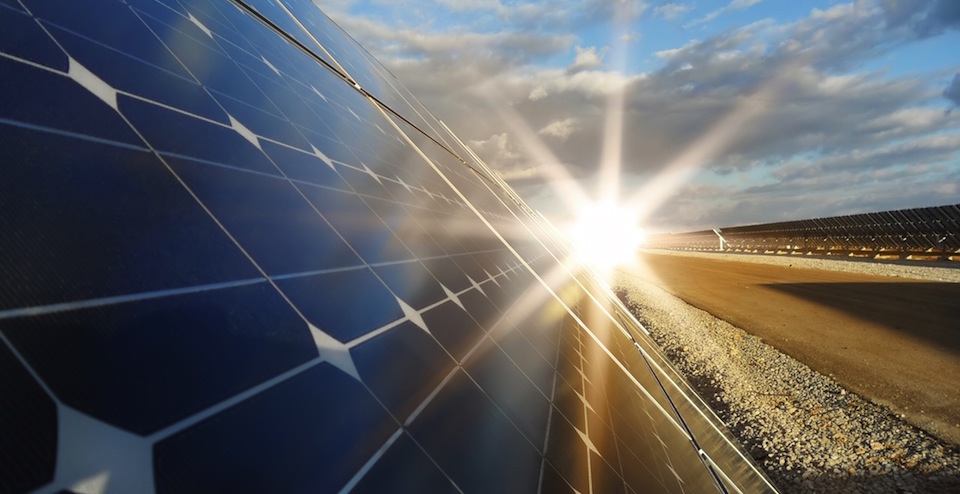
Solar energy’s growth isn’t slowing down in 2026. The U.S. is on track to add about 22 gigawatts of new solar capacity, pushing the nation’s total to roughly 182 gigawatts by year’s end. That’s a pretty significant leap, and it shows just how much solar is stepping up, now covering nearly 27% of the country’s electricity generation (when you count other renewables in the mix).
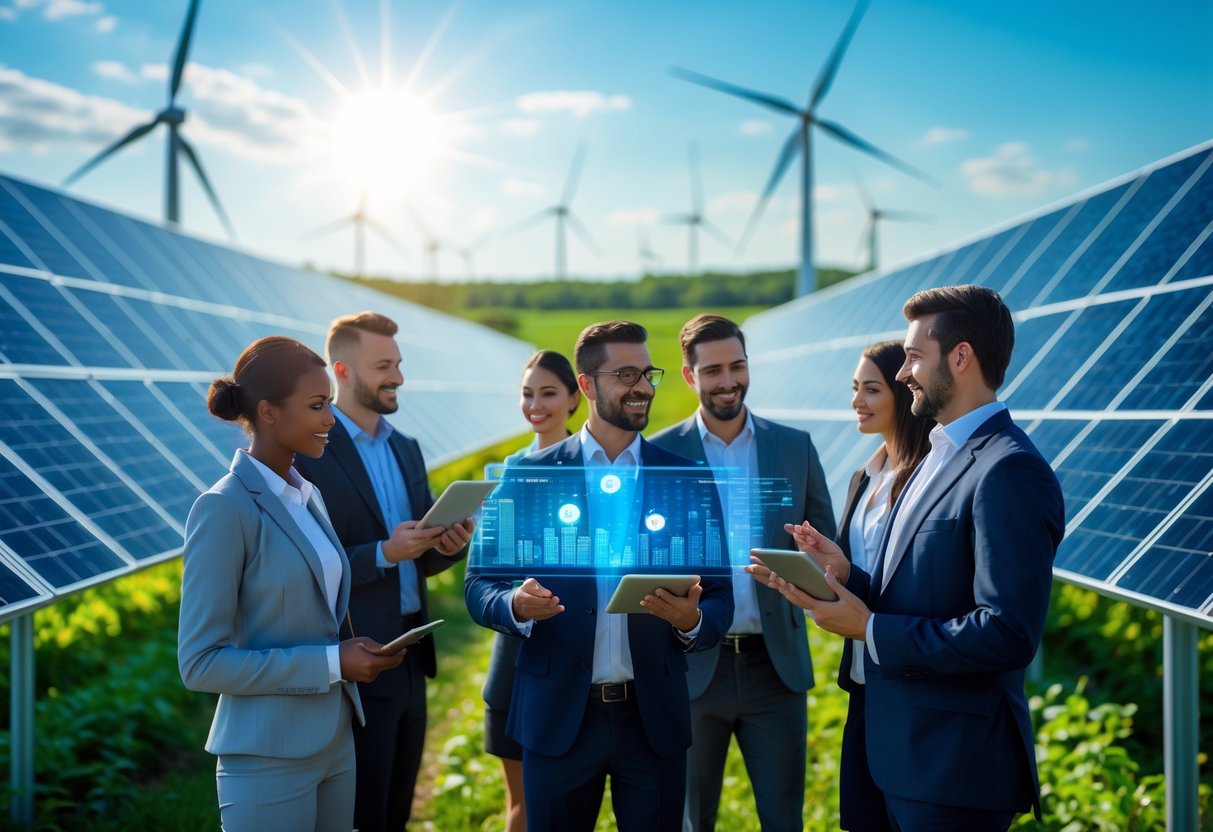
If you glance at the 2026 solar segment outlook, you’ll notice the trends are being steered by changing policies, market shifts, and a steady flow of investment into both grid-scale and home solar projects. There’s a bit of a slowdown compared to the wild growth of earlier years, though—that’s probably just a sign of the industry maturing and some policy uncertainty hanging in the air.
Key Trends Shaping the 2026 Solar Energy Segment Outlook
Solar is still pushing forward—capacity is expanding, installation numbers are breaking records, and you can see regional leaders shifting as policies and markets evolve. The U.S. is a big driver, but there are other markets making waves too, all thanks to policy support and shifting economics that are nudging us toward renewables.
Growth in Solar Capacity and Generation
The U.S. Energy Information Administration (EIA) says solar additions are still the main force behind growth in the nation’s power mix. They’re projecting 26 gigawatts (GW) of new solar in 2025, then 22 GW more in 2026.
Globally, solar generation is about to outpace a few traditional sources. It looks like solar’s going to overtake nuclear worldwide by 2026, which is wild but not really surprising with how much investment is pouring into photovoltaics. There’s strong demand from just about every segment—homes, businesses, big utilities—because costs keep dropping and the tech keeps getting better.
Key drivers?
- Lower solar module prices
- More grid-connected projects
- Government incentives and updated regulations
Utility-Scale Solar Expansion
Utility-scale solar is still the heavyweight here. Most of those new gigawatts the EIA is talking about? They’re coming from these huge installations. Utilities and independent power producers are doubling down on utility-scale projects, so solar is set to become the leading source for new electricity in the U.S.
Investments are flowing into massive solar parks and hybrid projects that blend storage with generation. Utility-scale projects benefit from their size—costs are lower, and the economics just make sense. Plus, they’re important for keeping the grid steady, especially as storage tech gets better and more affordable.
Table: New U.S. Solar Installations by Segment (EIA estimates)
| Year | Utility-Scale (GW) | Other Segments (GW) |
|---|---|---|
| 2025 | 18 | 8 |
| 2026 | 15 | 7 |
Regional Leaders in Solar Installations
Within the U.S., some states are just crushing it. California and Texas, no surprise, are still out front thanks to their infrastructure, sunshine, and policies that make solar adoption easier.
Looking at the world, China and India are holding onto their spots as top solar markets, backed by long-term government goals and steady investment in both big and small solar projects. Europe’s not sitting still either—Germany and Spain, in particular, are adding a lot of capacity and helping renewables grow overall.
It’s also worth mentioning that distributed renewables are popping up more in emerging markets. In places where the grid isn’t as established, these systems are a lifeline—solar reach is definitely growing beyond just the big projects.
Impacts and Interactions Within the 2026 Renewable Energy Landscape
Advances in battery storage, shifts in electricity use, and changes in the U.S. energy mix are all playing into how solar is rolled out and used. It’s a lot for investors and operators to keep up with, honestly.
Role of Battery Storage in Solar Integration
With all this new solar coming online, reliable power delivery is a real concern. That’s where battery storage steps in, letting us bank excess solar energy and use it when the sun isn’t shining or demand spikes.
A few big perks of advanced battery storage:
- Grid stability: Batteries help smooth out those ups and downs in solar output.
- Better peaking capacity: Stored solar cuts down on the need for fossil-fueled peaker plants.
- More renewable uptime: Batteries bump up the share of renewables on the grid.
With lithium-ion prices dropping and new battery chemistries in the works, storage is popping up everywhere.
Electricity Consumption and Market Dynamics
U.S. electricity use is ticking up—not dramatically, but enough to matter. Economic growth and more electric vehicles and industries are behind it. That extra demand is making utilities rethink how they balance their energy sources.
The market’s also changing as big solar and wind projects get cheaper than fossil fuels. Power purchase agreements and state policies are still fueling new installations.
And with liquefied natural gas (LNG) exports rising, domestic gas prices are a bit unpredictable, which actually makes renewables more appealing for utilities looking for stable, long-term options. All this is nudging them toward more flexible resources, like battery storage, to keep solar’s variable output in check.
Renewables and the Shifting US Energy Mix
So, the latest from the U.S. Energy Information Administration suggests that renewables—think solar panels, wind turbines scattered across fields—are on track to crank out over a quarter of America’s electricity by 2026. It’s a slow but steady nudge away from coal, and honestly, natural gas isn’t expanding like it used to either.
Here’s a quick peek at what the 2026 electricity mix might look like:
| Source | Approx. Share (%) |
|---|---|
| Renewables | 27 |
| Natural Gas | 38 |
| Coal | 18 |
| Nuclear | 16 |
Wind and solar are expected to lead the pack in new capacity, thanks in part to policy pushes and, let’s face it, some pretty cool tech advances. Plus, with more big battery storage coming online, the grid should be able to handle the ups and downs of these sources—making everything just a bit more reliable and less wasteful.