Wire management isn’t just about keeping things tidy anymore—it’s about intelligent control and actionable insights. Smart clips, embedded sensors, and AI-driven monitoring are transforming what used to be passive wiring systems into active networks. These systems can spot strain, temperature spikes, and potential faults before they snowball into actual downtime. If you ask me, the future of wire management is pretty clear: systems that can think, adapt, and—let’s be honest—make our lives a whole lot easier.
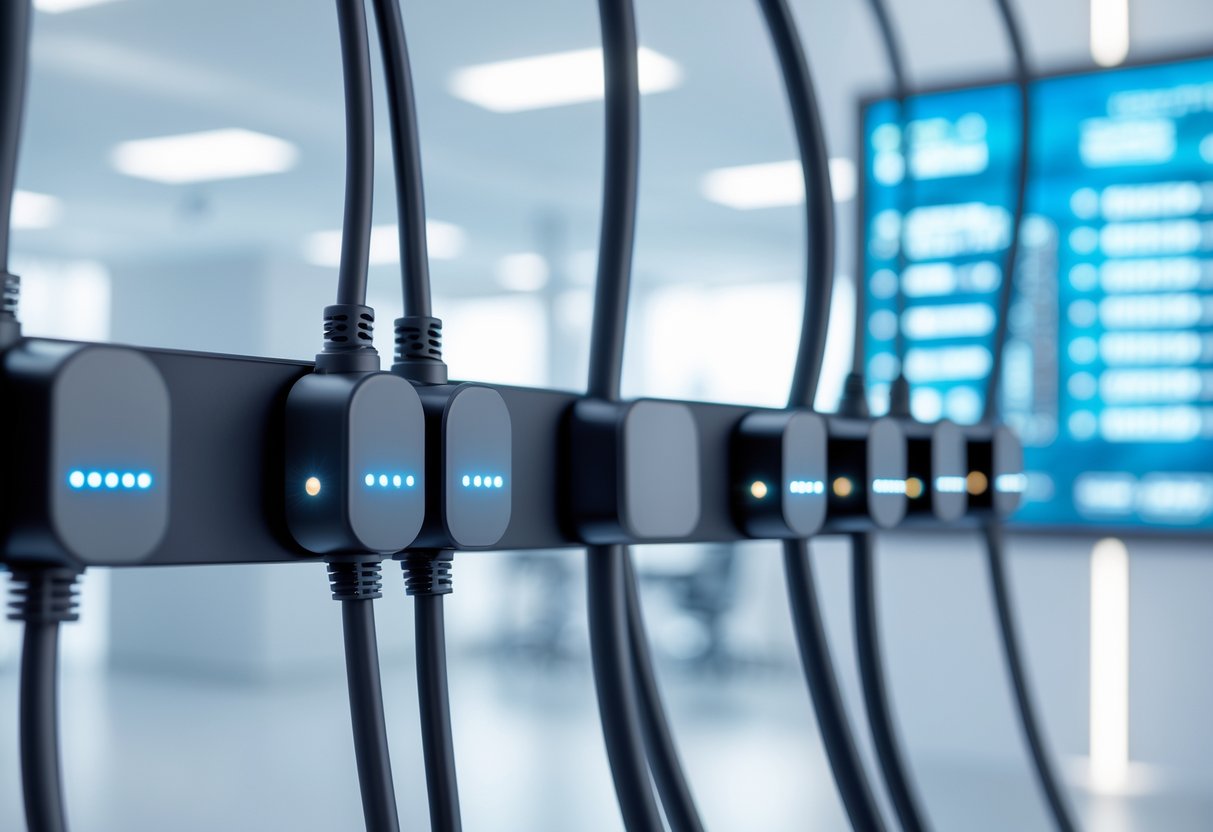
We’re now designing wiring infrastructure for predictive maintenance rather than just physical routing. By integrating IoT sensors and real-time analytics, we can monitor installations at scale and react instantly to anomalies. Suddenly, cables and harnesses aren’t just dead weight—they’re data-rich assets that boost reliability and help us cut maintenance costs.
With automation and electrification taking over, these smart management solutions are quickly becoming non-negotiable. They’re key for uptime, for stretching out equipment life, and for ticking those sustainability boxes that everyone’s talking about. AI and sensor intelligence are about to redraw the map for what efficient, safe, and connected wiring really means.
Core Technologies Shaping Smart Wire Management
We’re working with embedded sensors, automated fastening, and AI-driven analytics to make wire management more efficient, reliable, and—let’s face it—a lot smarter. These tools aren’t just buzzwords; they’re changing how we do fault detection, cut down on manual checks, and keep systems solid in both industrial and commercial settings.
Embedded Sensor Integration
Embedded sensors are at the heart of this intelligent wire management push. By dropping temperature, vibration, and current sensors right into cable assemblies or clips, we get a live feed on wire conditions. This means we can spot stress, overheating, or insulation wear before anything fails.
We’re using IoT-enabled sensors that push wire health data over secure networks. When something’s off, they can ping us for preventive maintenance—cutting downtime and stretching out component life.
Here’s a quick look at what we’re actually monitoring:
| Parameter | Purpose | Typical Sensor Type |
|---|---|---|
| Temperature | Detect overheating | Thermistor |
| Current | Identify overloads | Hall-effect |
| Vibration | Monitor mechanical stress | MEMS accelerometer |
Building sensors in from the start just makes sense. It means our digital monitoring and automation systems actually work together, from manufacturing through to maintenance.
AI Algorithms for Monitoring and Analysis
AI algorithms are what make sense of the flood of data from embedded sensors. We’re running machine learning models to spot anomalies, predict failures, and even tweak cable routing or load distribution.
These models learn what “normal” looks like, then flag the weird stuff—maybe it’s subtle, but that’s often where the trouble starts. Using predictive analytics, we can actually wait to do maintenance until it’s needed, not just because the calendar says so.
AI isn’t just about spotting problems, either. With automated fault classification, we can prioritize what needs fixing first. That way, techs don’t waste time on low-priority stuff. The combo of AI and automation is a game-changer for reducing human error and making better calls in tangled wiring networks.
Smart Clips and Automated Fastening Solutions
Smart clips are doing double duty—they hold cables in place and house micro-sensors that track tension, vibration, or even exposure to the elements. This makes installations easier and keeps monitoring simple.
Automated fastening systems? They’re using robotic tools and AI to get pressure and alignment right every time. That means less manual work and more consistent quality, especially on big jobs.
Some of the latest clips come with self-adjusting mechanisms—they react to temperature swings or cable movement and keep their grip tight, no intervention needed. These features are right in line with what we need in industrial automation—precision, reliability, and minimal downtime.
Predictive Maintenance and Industry Impact
Predictive maintenance is our go-to for squeezing more life out of equipment, slashing downtime, and making the most of our resources. By tying together AI-driven analytics, sensor data, and adaptive algorithms, we can spot early warning signs and act before things go sideways. This is a big deal for reliability in manufacturing, energy, and infrastructure.
Machine Learning for Failure Prediction
Machine learning (ML) models chew through sensor data to find patterns that hint at component wear. We train these models on historical info—vibration, temperature, electrical signals—to predict the Remaining Useful Life (RUL) for cables, connectors, and clips.
Supervised learning methods like random forests and neural nets help us separate normal behavior from the stuff we should worry about. With regular retraining, these models can keep up with new equipment quirks or changing environments.
We’re also using anomaly detection to flag oddities in current draw or signal integrity. This lets techs jump in before a full-blown breakdown, so maintenance is driven by actual conditions—not just a clock.
With solid predictive modeling, we’ve seen unplanned downtime drop by 30–40%. Not bad, right?
Real-Time Monitoring and Data Analytics
Real-time monitoring is all about smart clips and embedded sensors feeding us live data on temperature, strain, and circuit continuity. These devices hook into industrial networks—CAN, Ethernet, wireless IoT, you name it.
We’re using edge computing to cut through the noise and surface the alerts that matter. Then, cloud dashboards make it easy to see what’s going on—voltage stability, connector temps, signal latency, and more.
| Data Type | Sensor Source | Maintenance Insight |
|---|---|---|
| Temperature | Thermal sensor | Overheating or insulation wear |
| Vibration | Accelerometer | Mechanical stress or loosened fittings |
| Current flow | Current sensor | Electrical imbalance or overload |
By connecting the dots between these indicators, we can get to the root cause faster and plan fixes with less disruption.
Applications in Renewable Energy and Infrastructure
Predictive maintenance has become a bit of a game-changer for renewable energy systems—especially if you’re after consistent generation and safety. We’re rolling out AI-driven sensors all over the place: wind turbines, solar inverters, power distribution harnesses. These tools help us keep tabs on performance, even when the load’s jumping all over the map.
If you’ve ever worked a wind farm, you know the headache of unscheduled downtime. Machine learning models are now digging through vibration and torque data to flag early signs of bearing or cable degradation. Over in the solar sector, real-time monitoring picks up on connector fatigue or thermal cycling—both notorious for quietly eating away at your output.
Infrastructure networks—think smart grids, transit systems—are getting in on the action, too. Predictive analytics let utilities plan maintenance windows when demand’s low, sidestepping the PR nightmare of a blackout.
Honestly, weaving predictive maintenance into our renewables portfolio feels like a no-brainer. It’s not just about cutting O&M costs—there’s a bigger play here for grid stability and long-term sustainability.