Preventative maintenance for solar wiring is really the backbone of keeping your system performing and avoiding those annoying, expensive outages. Wiring problems usually start out as minor headaches—maybe a loose MC4 connector, a bit of corrosion, or cracked insulation—but they can snowball into lost production or, worse, safety incidents. Regularly inspecting, cleaning, and tightening up those connections is just common sense if we want to stretch the lifespan of the whole array and keep our yield steady.
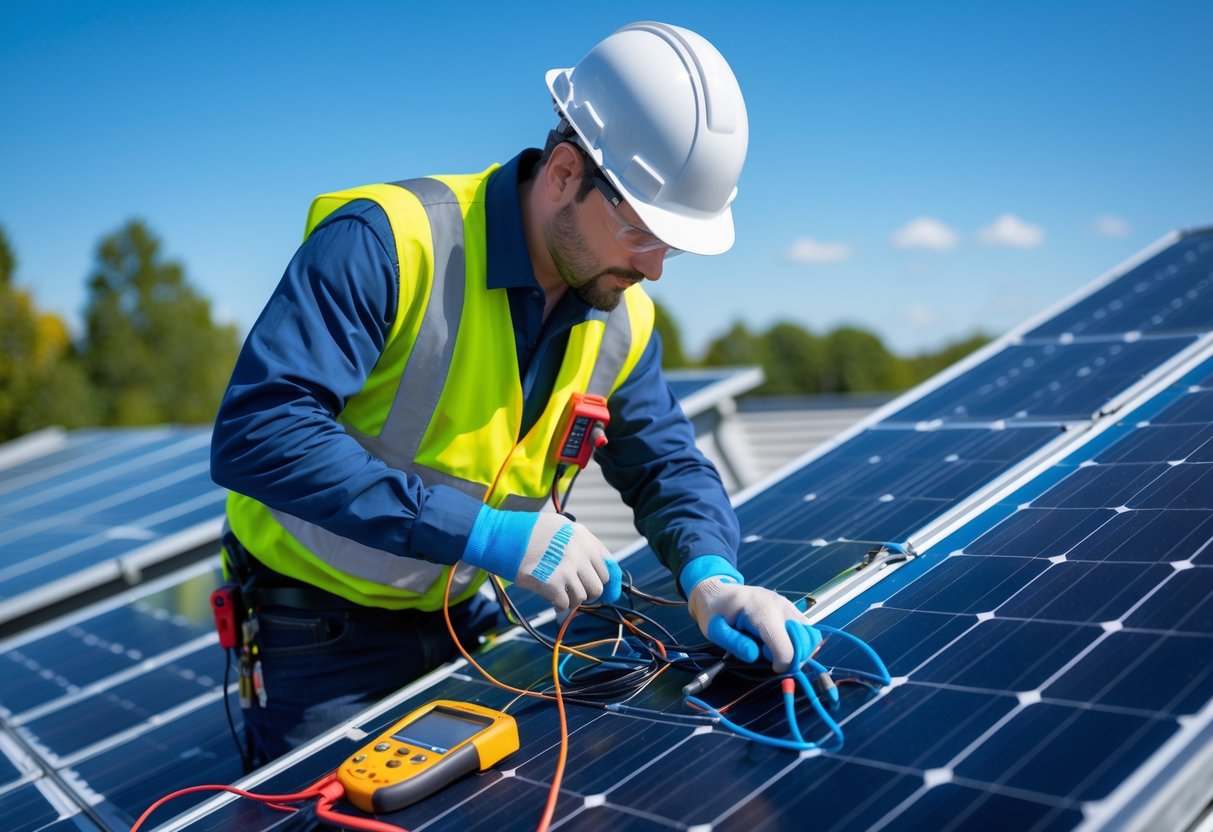
As buyers and planners, we’re counting on these systems to deliver predictable returns over decades, so why wouldn’t we treat the wiring with the same respect as the modules? Checking for weathering, verifying voltages, and swapping out tired components is just part of the job. It’s not glamorous, but it keeps the electrons flowing and the headaches at bay.
Let’s get into the nuts and bolts of preventative maintenance for wiring—stuff that actually works, whether you’re running a 6kW home system or managing a multi-megawatt commercial site. If you want your solar investment to keep humming along, this is where you start.
Key Preventative Maintenance Practices for Solar Wiring
Keeping solar wiring in shape isn’t rocket science, but it does mean sticking to a schedule: inspections, prompt repairs, and following NEC and local codes. Staying on top of dirt, early fault detection, and making sure every lug is torqued to spec—that’s how you keep system performance up and unplanned outages down.
Routine Inspection and Cleaning of Solar Wiring
Twice a year, or after a nasty storm, we’re out there checking wiring. Dust, bird droppings, and moisture love to gather around those conduits and combiner boxes. That stuff leads to corrosion and, eventually, resistance losses if you let it go. Grab a soft brush or a dry rag—don’t even think about using water or harsh cleaners on insulation—and clear off the debris.
While you’re at it, take a close look at the insulation. If you spot cracks or UV damage, log it for replacement. Here’s a basic checklist that keeps us honest:
| Task | Frequency | Responsible Party |
|---|---|---|
| Visual inspection of wiring | Semiannual | Technician |
| Cleaning of junction boxes | Semiannual | Technician |
| Check for debris or animal nesting | Quarterly | Homeowner |
Honestly, a few minutes with a checklist can save hours of troubleshooting later.
Early Detection of Wear and Damage
Catching wear early is way cheaper than fixing a meltdown later. We’re looking for discoloration, cracked jackets, loose conduit fittings, and any hint of overheating—especially around connectors and terminations. If you see anything odd, don’t ignore it.
Infrared thermography is a game-changer here. It’ll show you hotspots you’d never spot otherwise—perfect for annual checks. And don’t forget to keep an eye on your monitoring portal; voltage drops or weird output swings are usually the first sign something’s up with the wiring.
Ensuring Proper Connections and Safety Standards
Solid connections are non-negotiable. Every terminal, fuse, and breaker needs to match manufacturer specs and local electrical codes. If something’s loose or you spot corrosion, fix it before it turns into arcing or, in the worst case, a fire.
Grounding and bonding? No shortcuts. The AHJ will want to see that everything’s up to code, and honestly, it’s your best insurance against surges and lightning. Label your conduits and boxes clearly—it’ll make troubleshooting way less painful. And if you’re not sure about continuity or torque, bring in a licensed electrician. That’s what keeps the system safe and humming for the long haul.
Maximizing System Longevity Through Proactive Care
If you want your solar system to last, you’ve got to stay proactive: monitor performance, schedule real inspections, and keep track of your maintenance. That’s how you catch wiring issues early, avoid electrical headaches, and keep your warranty valid.
Monitoring System Performance and Output
We’re always watching the numbers—voltage, current, and output. If something drifts, that’s usually your first clue there’s a wiring or connection problem.
Modern monitoring is a lifesaver. IoT sensors and data loggers give real-time data, so you can catch trends before they bite you. Cross-check actual performance with your expected numbers; if you see a gap, it’s time to investigate.
KPIs like inverter efficiency and string current balance are your friends. If they’re off, don’t wait—schedule a closer look. That’s how you keep the array efficient and avoid unpleasant surprises.
| Metric | Purpose | Typical Range |
|---|---|---|
| Voltage (V) | Detects connection issues | Within ±5% of baseline |
| Current (A) | Identifies shading or wiring faults | Consistent across strings |
| Performance Ratio | Measures energy output efficiency | 0.75–0.85 for healthy systems |
Scheduling Professional Maintenance Checks
DIY is fine for some things, but when it comes to detailed wiring checks, we trust certified techs. They’ll go beyond the obvious and check insulation resistance, grounding, and the stuff you can’t see with the naked eye.
Thermal imaging, proper electrical testing, and a sharp eye for corroded connectors—that’s what you get from a pro. Schedule these checks at least annually, and definitely after any big storm that might have stressed the system.
A typical pro maintenance plan looks like:
- Annual electrical connection checks
- Biannual inverter and combiner box inspections
- Periodic insulation resistance testing
Stick to the schedule, and you’ll dodge most of the big failures before they start. That’s just smart solar asset management.
Documenting Maintenance Activities for Warranty Compliance
We keep pretty thorough maintenance logs to back up warranty claims and keep ourselves on the right side of manufacturer requirements. Honestly, if you’re in energy procurement or asset management, you know the drill: documentation is the only thing standing between you and a denied warranty. It’s not just paperwork—it’s proof that your solar array hasn’t been neglected.
Every record should capture the basics: inspection dates, technician notes, test data, and any corrective actions we’ve had to take. I’ll admit, a centralized digital log makes life a lot easier when you need to pull up inverter test results from two years ago or track how a string’s output has trended.
Manufacturers are pretty strict these days—they’ll want to see hard evidence of scheduled maintenance before they even think about honoring a warranty on your modules, inverters, or BOS components. So, yeah, documenting every site visit and repair isn’t just best practice; it’s what keeps your capex protected and your O&M headaches in check over the lifespan of your solar assets.